One number
A single referral line for bed bug calls in Rockford.
Bed bug chemical treatment in Rockford, IL means a licensed pest control business puts product into the exact places bed bugs shelter: seams, joints, cracks and the hollow spaces behind trim and outlet plates. A provider typically treats mattresses, box springs, bed frames, baseboards and upholstered furniture in older houses, duplexes, apartments and rentals across the city. Waking with new bites, finding dark specks on a pillowcase or seeing a flat brown bug along a seam are all good reasons to call the referral line. Calls are connected with an independent local provider, who inspects first, explains the plan and its timing, and books any return visits.
A single referral line for bed bug calls in Rockford.
Providers usually inspect before giving a price.
Calls go to providers who serve Rockford.
Look up the company in IDPH's business search.
Chemical bed bug work runs in rounds rather than one spray. Here is what a provider often builds into a plan, along with extras worth raising when a home or apartment building needs more than the standard steps.
Before treating, a provider usually checks bedrooms, living areas and upholstered furniture. That fixes the real scope, so untouched rooms are spared and a hiding place behind a dresser or inside a closet is not missed.
Contact and residual products go into mattress seams, box spring edges, bed frames, baseboards and the joints of furniture. Ask which EPA-registered products the provider plans to use and what each label says about applying them.
Plenty of products do not dependably kill eggs, so plans lean on residual products that stay active where bugs hide and reach nymphs as they hatch. Some providers also add a growth regulator. Ask what is in your plan and the reason for it.
Labeled dusts are often puffed into wall voids and behind outlet plates, and interceptor cups or monitors go under the bed legs. Whatever lands in them gives the provider evidence to review on the next visit.
Chemical plans almost always include a second visit, often about two weeks after the first. Ask how many visits the quote includes and what happens if live bugs turn up later.
Describe what you have found and hear the next step from a provider in your area.
Bed bug chemical treatment in Rockford is a pesticide application by a licensed business that pairs contact products, residual products and, in many plans, labeled dusts to kill the bugs present now and cut off the next generation. Work generally begins with a close look at mattresses, box springs, frames, headboards, nightstands and baseboards. The provider then works product into the seams, cracks and gaps where bed bugs rest between meals, following each label. Outlet boxes and wall voids may receive a dust. A second visit, frequently around two weeks on, checks for nymphs that hatched from eggs the first round missed and treats whatever turns up.
Bed bugs are an indoor pest in Rockford all year, so holding off for a change in the weather gains nothing. Calls reach this line from many kinds of homes: older houses in Haight Village, rentals in Brown's Hills-Knightsville, and apartments in the Rockford part of 61108 or in West Downtown Rockford, where bugs can move between units. About three in four of the city's housing units were built before 1980. The Illinois Department of Public Health notes that bed bugs "hitchhike" more easily than ever. This page explains how the chemical approach works, why it takes more than one visit, and what to ask before booking.

The provider goes room by room, starting with beds, sofas and baseboards. A few bring a detection dog or thermal camera for large buildings or hard-to-find activity, so ask whether yours does. The inspection shows how far bugs have spread, which rooms need product and whether the next unit over should be checked.
Expect a written prep list before treatment day: wash and bag bedding, clear closet floors and move the bed off the wall. Do not discard furniture or carry belongings to another room before the inspection. Thorough prep lets product reach the spots where bed bugs shelter.
Contact and residual products go into mattress seams, box spring edges, frames, baseboards and furniture joints, following each label. Some plans add a growth regulator in harborage areas. Ask how long the work will take in your home and when it is safe to go back in.
Wall voids and the space behind outlet plates often receive a labeled dust, and interceptors or monitors go under every bed leg. What they catch shows whether bugs survived the first round, so the next decisions rest on evidence rather than guesswork.
Most providers return, frequently about two weeks later, to check the monitors, retreat any spots still active and search for young nymphs. Ask whether the return visit is part of the quoted price and what happens if bugs appear after it.

A fine-tip applicator puts product into mattress seams, frame joints and baseboard gaps without soaking fabric or leaving heavy residue where people sleep.
Some providers use detection dogs in large buildings or hard-to-confirm cases. This site does no inspections; ask the provider whether a dog is used and how alerts are checked.
Some providers scan behind headboards and outlet plates with a thermal camera. Ask how any reading gets confirmed by eye before treatment begins.
Placed under each bed leg, these cups trap bugs climbing onto or off the bed. They give the provider evidence at the return visit and let you keep watch yourself.
A vacuum pulls out visible bugs and debris, and steam moved slowly along mattress seams and furniture edges can kill eggs and nymphs that a spray may miss.
IPM combines inspection, sanitation, product application and monitoring instead of leaning on one product. IDPH's warning that aerosol space treatments fail against hidden bed bugs shows why one method rarely works.
Some bed bug populations tolerate certain products, so providers often rotate or pair product classes. Ask which classes your plan uses and where each one goes.
Some plans put a growth regulator in harborage areas so nymphs cannot develop and reproduce. It works on the life cycle during the gap between the first and second visits.
An encasement holds any bugs left inside a mattress or box spring and stops new ones from moving in. Ask the provider how long to leave the covers on.

The provider usually inspects the unit, treats the bedroom and living room with contact and residual products and dust, and sets up return access through the property manager. Ask for written reports for the owner's records. The number of visits depends on what the inspection finds, and the units next door may need checking.
A provider typically treats the spare bed, its frame and the nearby baseboards, then places interceptors under the legs. The remaining bedrooms are checked for spread. If the inspection confines bugs to that single room, the plan can stay modest.
Ask whether the sofa can be treated where it sits with contact and residual products and dust, followed by monitors in the living room. The second visit takes care of any remaining activity. The provider will advise whether treating or replacing the sofa is the more sensible choice.
Ask whether treatment can happen after hours, which EPA-registered products are planned and how long the re-entry period lasts. Request paperwork for the business records and a return visit that suits the work schedule. When staff may safely use the treated rooms again is the provider's call.
Rockford's housing shapes how a chemical plan comes together. Rockford counts 67,423 housing units, with a median build year of 1963. Roughly 74.3 percent went up before 1980 and 46.5 percent before 1960, while only 1.6 percent date from 2010 or later, so providers spend much of their time in older houses like those in Haight Village and Brown's Hills-Knightsville, where decades of settling can open gaps along trim and floors. About 45.1 percent of occupied homes are rented, and 33.4 percent of units sit in buildings with two or more units, where bed bugs can move through shared walls, pipe openings and used furniture. The Illinois Department of Public Health notes that infestations in multi-unit buildings can spread between units, so providers often inspect neighboring apartments, not only the one that called. In older walls, dust in the voids frequently backs up the sprays. Bed bugs stay active indoors in every month. To talk through a chemical plan, call the referral line to be connected with an independent local provider. Bed bug treatment needs no city permit; check the company in IDPH's Pest Control Business Search first.
Bounded by South Madison, Walnut and Kishwaukee Streets in 61104, with many older homes. Providers often add dust in wall voids, where a spray by itself may fall short.
A historic district along North Second Street in 61107. Bugs here often arrive in luggage or used furniture, so providers treat the pieces where they stand and then set monitors.
In apartment buildings and duplexes with shared walls, providers often inspect the units next door and may treat more than one apartment in the same round.
On either side of Auburn Street, in the Rockford part of 61103. Providers treat houses and rentals here and check nearby rooms before widening the plan.
With 33.4 percent of Rockford's units in buildings of two or more, shared walls and plumbing chases are common routes. Leave the neighbors out and bugs often come back, so ask whether attached units will be inspected too.
Older houses usually have more cracks and gaps for bed bugs to hide in, so providers lean on dusts and fine-tip applicators to reach voids. That describes most of Rockford's housing, from Haight Village to Churchill Grove.
IDPH notes that bed bugs hitchhike more easily than ever, and luggage and used sofas carry them between homes. Providers often treat the furniture where it stands and may recommend encasements.
Outdoor weather swings widely through the year, but heated rooms stay comfortable. Bed bugs keep feeding indoors every month, so a January call is handled the same as a July one.
A typical case: a tenant tolerates bites for several weeks. The inspection turns up live bugs in mattress seams, the box spring and nightstands, and the apartment next door shows signs along a shared wall.
The provider may treat both apartments with contact and residual products plus dust, then read the interceptors at the second visit. What the cups catch decides how many more visits follow.
Afterward: Keep the mattress and box spring encasements on as long as the provider advises. Check the interceptors weekly at first and tell the provider about any catch right away.
A typical case: a homeowner finds bugs in the spare room after family visits. There is activity on the bed frame and baseboards, and the other bedrooms still need checking.
The provider may treat the spare room and inspect the rest of the house. The second visit shows whether activity stayed in that room. Cost depends on the rooms treated and the number of visits.
Afterward: Vacuum the room regularly and keep the bed a few inches off the wall. After the next round of guests, look over the bed frame and mattress seams within a few days of their departure.
A typical case: a family brings home a secondhand couch and spots bugs a few days later. It sits in the living room, and bugs may be moving toward a recliner close by.
Both pieces can often be treated in place with a residual product and dust, with monitors placed around the room. The return visit tells the provider whether more work is needed.
Afterward: Keep the monitors in place as long as the provider suggests. Before bringing home used furniture again, shine a flashlight along seams and under cushions, or ask a provider to look first.
Bed bugs do not mean a home is dirty, and cleaning alone will not get rid of them. They need treatment and usually spread while you wait. These are situations callers often describe in Rockford houses and apartments.
Bites can mean bugs are feeding, but bites alone do not prove bed bugs, because people react differently and other pests bite too. If bugs are breeding, every week of waiting adds nymphs and enlarges the job. A provider generally inspects the bed and nearby furniture, confirms activity and then schedules treatment. Residual products keep acting on nymphs as they hatch, and the second visit checks what remains.
In apartment buildings and duplexes, bed bugs can move through wall voids and shared plumbing chases. IDPH notes that infestations in multi-unit buildings can spread between units, and when one apartment is treated while its neighbors are not, the bugs often return within weeks. Providers commonly treat the affected unit and inspect those above, below and beside it. Ask whether access can be arranged through the property manager.
Used sofas, mattresses and dressers are a common way bed bugs reach Rockford homes, and IDPH says they hitchhike more easily than ever. The bugs tuck into seams, under cushions and inside frame joints where a quick spray never reaches. Providers often treat the piece in place with contact and residual products and dust, then put monitors nearby. For heavier cases, ask about mattress and box spring encasements.
Store-bought sprays kill some of the bugs they touch but miss eggs and hidden bugs, and IDPH says aerosol space treatments are ineffective against well-hidden bed bugs. The problem often returns and moves into new rooms. A licensed provider treats the places bugs actually hide and comes back later. Tell the provider what you have already tried.
Set by the provider after inspection, based on rooms and severity
This site does not quote prices. For bed bug chemical treatment in Rockford, IL, the provider sets the cost after the inspection, and it depends on the size of the home or unit, how many rooms have activity, how long the infestation has been growing, whether heat or other methods are added, and how many return visits are planned. Before work begins, ask for the whole plan and the total in writing, including what the first treatment and each follow-up cover. If a chemical treatment price looks unusually low, ask what the return visits cost, since those later trips are often where the job gets finished.
Ask how many visits the quote covers, which products will be used and what happens if bugs return. Hold on to the mattress until after the inspection; many can be treated and then sealed in an encasement.
One bedroom is a smaller job than a whole house. Each added room means more time, product and inspection, so a three-bedroom house generally costs more than a studio or one-bedroom apartment.
A handful of bugs in one bed takes less time than a heavy infestation spread through furniture, baseboards and closets. Heavier cases tend to need more product and additional visits.
Clutter gives bugs extra hiding places and slows the work down. Clearing closet floors and pulling beds away from walls before the provider arrives saves labor time and may reduce the cost.
When connected apartments need treatment, inspection and access take more time. Ask the provider to price the plan for the whole building so the property manager sees the full scope before booking.
Heat, dog inspections and mattress encasements are often priced separately. Ask which extras the provider suggests, why each one is suggested and which are optional.

This site is a referral service. It does no pest control work and does not vouch for any provider. In Illinois, the Department of Public Health's Structural Pest Control Program licenses structural pest control businesses and certifies the technicians who work for them; IDPH says a business must first employ at least one certified technician. Before work starts, you can look the company up in IDPH's Pest Control Business Search. In-home pest control falls to IDPH, not the Illinois Department of Agriculture. Ask what products are planned, whether each carries EPA registration for bed bugs, and what its label says about re-entry for people and pets.

A renter finds bugs in a child's bed frame and wants to know whether spraying is safe. The provider should check every bedroom, explain which product goes where, and give a clear re-entry time for children and pets. Expect monitors and a second visit, since eggs can survive the first treatment.
A building owner hears about bed bugs from two or more apartments under one roof. The provider will likely inspect the connected units, plan chemical work for each, and coordinate tenant prep and access. Before work starts, ask for a written report for every unit and the dates of the return visits.
A renter is ready to haul a couch and mattress to the curb after spotting bugs. A smarter step is to notify the landlord in writing and wait for the inspection. Many pieces can be treated along seams and frames, with interceptors under the bed legs and a return visit.
That depends on the products and their labels, so put the question to the provider. In Illinois, structural pest control businesses are licensed by the Department of Public Health and must employ a certified technician. Products should be EPA-registered and placed in targeted spots, not sprayed across a whole room. Keep children and pets out until the provider says they can return, and mention any infants, allergies or health conditions in advance.
Follow the re-entry time the provider gives you. It depends on the product label, how much was applied and how quickly treated surfaces dry. Ask if airing the rooms out with open windows or fans afterward is useful. Dust in wall voids sits behind cover plates, but ask about that too. Get the return time in writing before the provider leaves, and do not go back in sooner.
Many products do not dependably kill eggs, so one visit is seldom the end of it. Residual product in seams and cracks can catch nymphs as they hatch over the following days and weeks. A second visit, often around two weeks later, handles the survivors. Ask how many visits your plan includes and how they match the egg-hatch period.
Residual life varies with the product, the surface and how much cleaning follows, so ask the provider. The return visit covers the egg-hatch period. After that, keep interceptors or monitors under the bed legs to catch any comeback early. IDPH notes that bed bugs hitchhike more easily than ever, so check the monitors weekly after trips, moves or buying used furniture.
Don't see your question? Call the referral line and a local provider can go over timing and next steps.
Ask a provider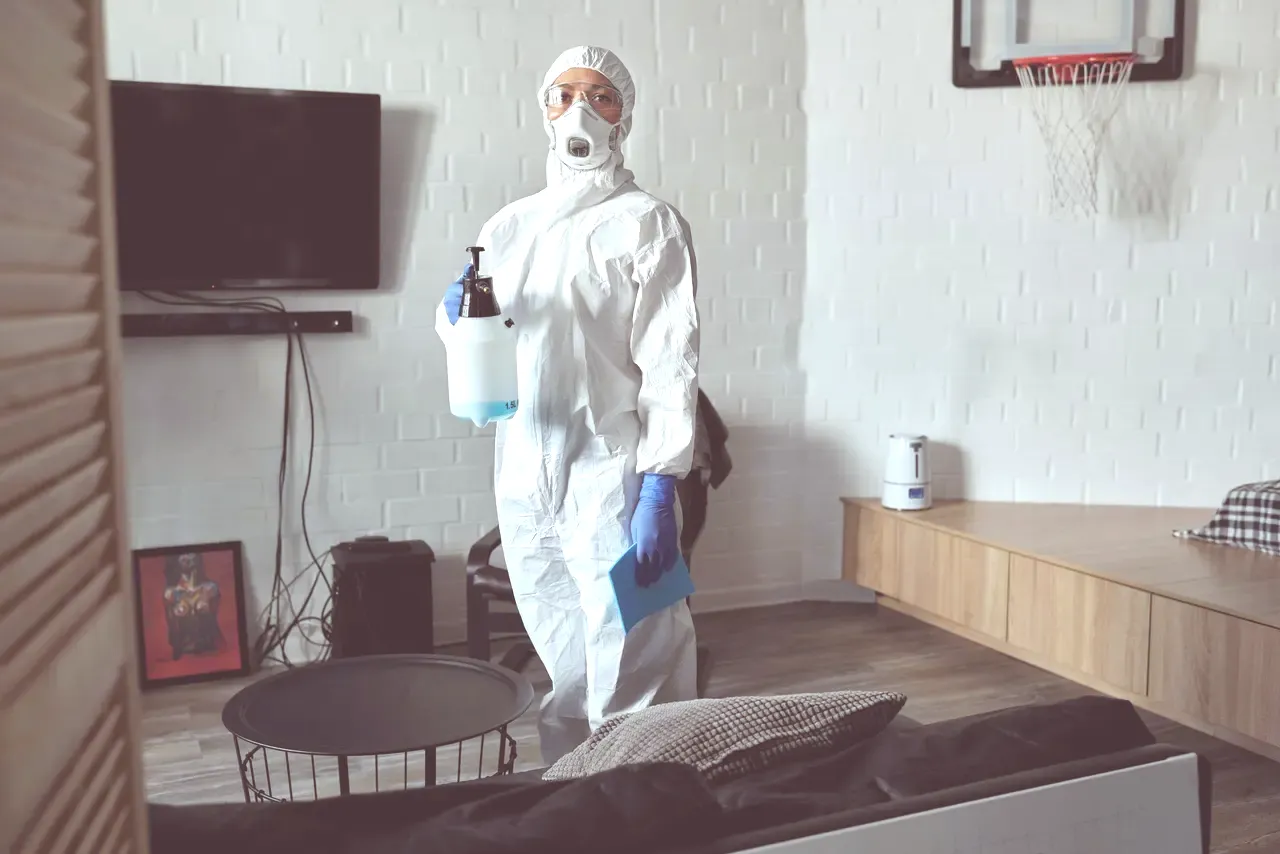
Before any product is applied, the provider should confirm bed bugs are present and map where they are. Some providers bring a detection dog or thermal camera to find hidden activity in Rockford houses and apartments. The inspection decides which rooms get treated and which do not.
View service
Heat treatment raises a room or a whole unit to temperatures that kill bed bugs and their eggs. It can suit a heavily infested room or furniture that should not be sprayed. Plenty of Rockford plans combine heat in certain rooms with chemical work in the rest.
View service
Apartment buildings need a plan of their own. Providers usually treat the affected unit, inspect the units above, below and beside it, and work with the property manager so bugs do not shuttle between neighbors. Since 45.1 percent of Rockford's occupied homes are rented, the situation is common.
View service
Many infestations are finally cleared at the follow-up visit. The provider reads the monitors, treats spots that are still active and checks for live bugs. Ask if the chemical treatment price covers the follow-ups.
View serviceYour call to the number on this site runs through a call-tracking service, may be recorded, and is connected to an independent local provider that serves Rockford. Calls are connected 6 a.m. to midnight Central Time (7 a.m. to 1 a.m. during daylight saving time). The provider books the inspection and sets the price.